
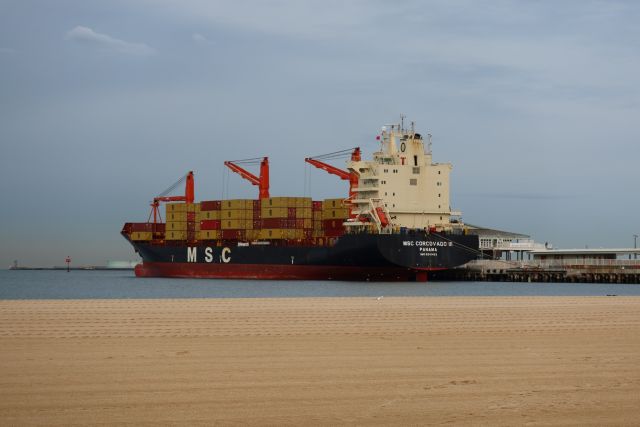
The ship has sailed
MSC Corcovada III was berthed at Station Pier from 24 to 29 July. She was undergoing repairs before resuming her onward journey to Sydney.
It’s unusual to see a vessel at Station Pier in the winter months.
MSC Corcovada III is one of the 900 vessels in the Mediterranean Shipping Company’s fleet, the largest in the world. The family owned company operates 300 routes to 155 countries.
The ship is more than twenty years old. MSC is retiring older, fuel intensive vessels. MSC has 134 energy-efficient container ships on order.
It remains to be seen whether MSC’s confident future orders are well placed as global trade is buffeted following the introduction of a range of tariffs by the Trump administration on 1 August.
The beach between the Port Melbourne Yacht Club and Station Pier continues to grow wider, and deeper. It is accreting.
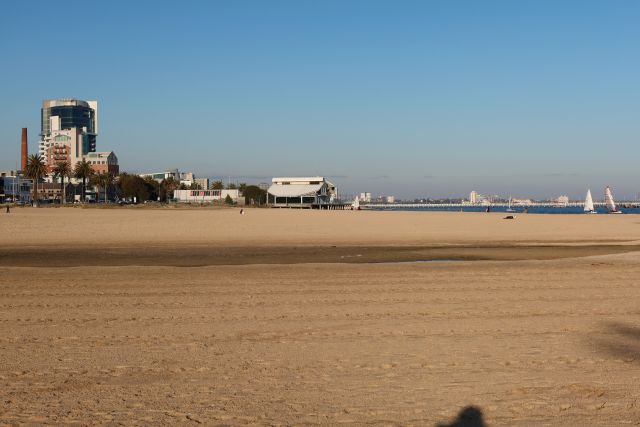
The former TT Lines truck park and Station Pier prevent the sand from moving westward. It is captured on Port Melbourne beach.
The Princes St drain used to exit into the bay. Now the drain outlet is stranded high and dry on the beach. As the sand builds up, the drain discharge point is lower than the beach on the seaward side. The drain outlet fills with silt and debris and doesn’t readily discharge to the sea.
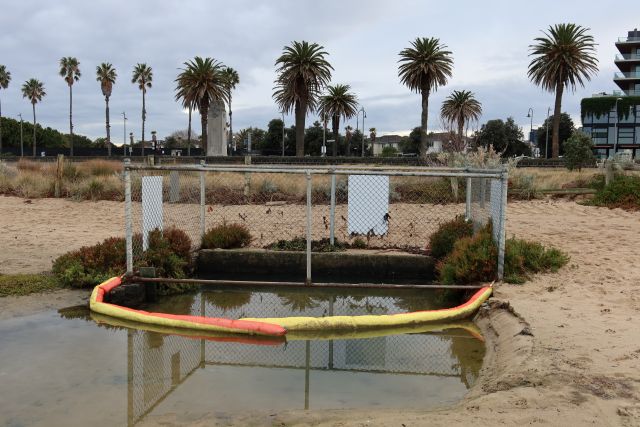
The Princes St drain is a Melbourne Water, rather than a City of Port Phillip council, drain. Just as there are VicRoads roads, or local council roads, so it is with the drainage network. Melbourne Water manages the larger drains and council manages the local drainage network. Melbourne Water is concerned to manage flooding risk to property.
Melbourne Water staff have been on site de-silting the drain and removing debris.
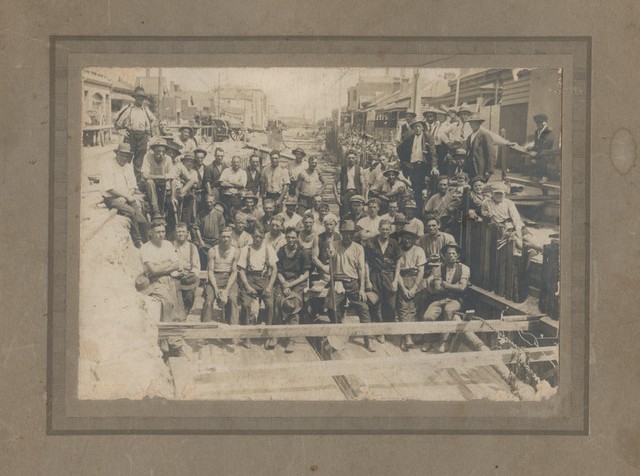
The size of the drain and the volume of stormwater that it discharges is suggested by this photograph of the drain under construction in 1933.
We more often hear about beach erosion than accretion.
The beaches in Port Phillip are all highly modified. Sand is mobilised by storms, currents and the wind.
Middle Park beach is particularly vulnerable to erosion. Beach renourishment has been undertaken at Middle Park in 2008, 2016 and 2020. The City of Port Phillip has invited tenders for further beach renourishment work to be done in 2026. The works will involve dredging about 37,000 cubic metres of sand, which will be spread out to create a larger beach profile. The beach renourishment will maintain the beach for recreation as well as protect the sea wall, shared path and Beaconsfield Parade.
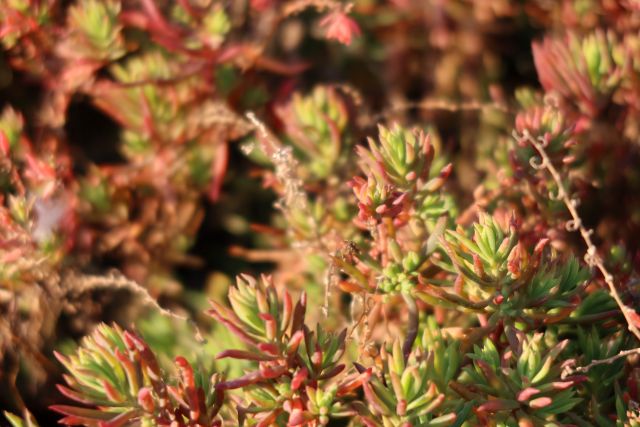
Meanwhile some Austral Seablite (Suaeda australis) has appeared next to the drain. The leaves are up to 40 mm in length and are succulent, linear and flattened. They are light green to purplish-red in colour.
Suada australis is one of a suite of saltmarsh plants found in coastal or estuarine areas which are well adapted to saline conditions.
Although there has been long standing community concern about the Princes St drain, there doesn’t appear to be any urgency about implementing a solution.
Some community proponents favour a pipe conveying the stormwater from the Princes St drain out into the bay. A pipe would do nothing to clean the dirty stormwater before discharging it to the bay. Instead, Port Places has argued before that creating a saltmarsh wetland as has been done at West Beach, St Kilda would be a better, nature based solution.
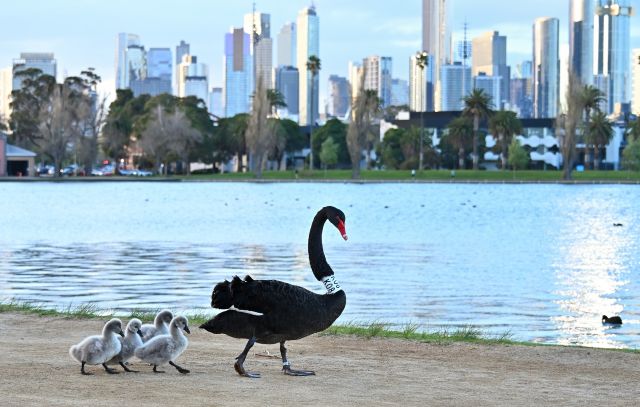
And perhaps we’d attract a wider variety of shore birds.

Leave a Reply