
Far from circular
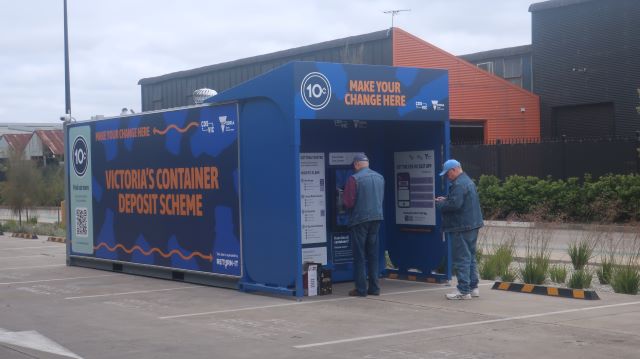
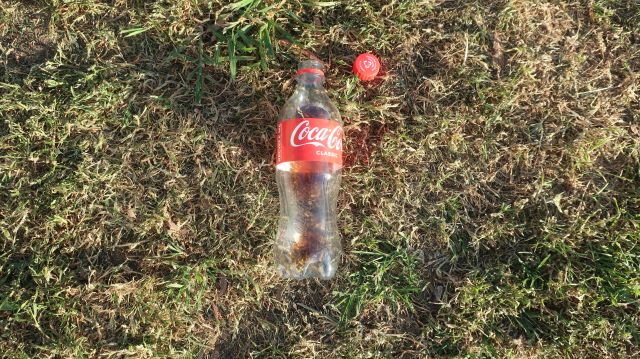
More than 750 million containers have been returned via the Container Deposit Scheme (CDS) since it started on 1 November 2023. At 10c per returned container, that is $75 million returned to community organisations and noticeably fewer littered containers on the streets, in the river and on beaches.
Dr Ross Headifen has been tracking litter data from 3207 Beach Patrol and 3207 Love our Streets monthly cleans for many years now. We can be confident of his observations on the impact of the introduction of the CDS. From a peak of 5533 containers collected in October 2023, the number reduced to 1479 in June 2024.
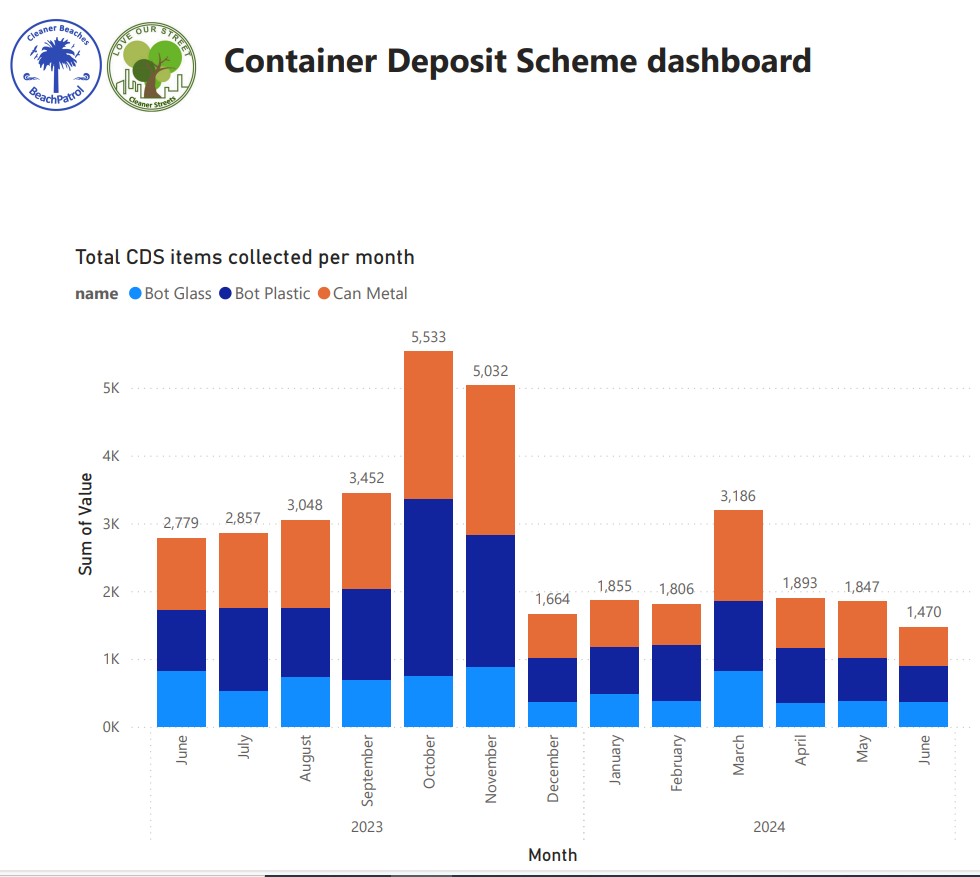
The CDS shows the impact of decisive regulatory action.
The export of unprocessed plastics was banned on 1 July 2022 when China, through the National Sword Policy, refused to accept them. The lack of capacity in Australia for plastics recovery from the waste stream was starkly revealed.
In February 2023, the Victorian government banned the use of single use items including plastic bags, cutlery and crockery, and cotton bud sticks.
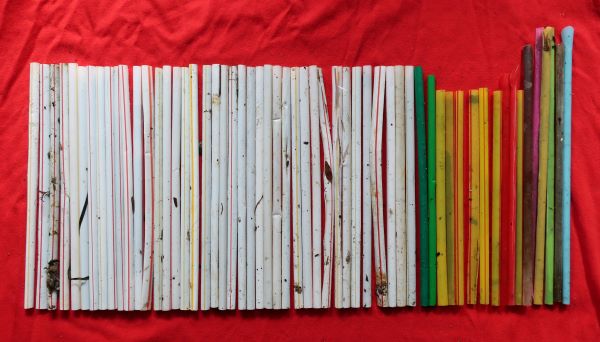
Victoria’s inaugural report on the circular economy (May 2024) found that only 19% of plastics are recovered from the waste stream. The report noted that there is, at present, insufficient reprocessing capacity and capability in Victoria (and most other Australian jurisdictions) to recover plastics from the waste stream. Reducing packaging from entering the waste stream in the first place has to be a priority. The cost to recover and process plastics to a quality to replace virgin material is currently higher than the cost of the virgin fossil fuel-based plastics.1
Nationally, the rate of recovery of plastics is 20%, against a target of 70% by 2025. A massive acceleration of effort will be needed to get anywhere near this target.
This week, APCO (Australian Packaging Covenant Organisation) released a strategic plan introducing a range of incentives and disincentives to improve the performance of packaging against committed targets. Chris Foley, CEO at APCO said this week ‘A voluntary mindset is not shifting the dial’.2
Mandatory product stewardship is urgently needed to cover how packaging is designed, to establish minimum recycled content requirements and to prohibit the use of harmful chemicals as well as to ban the manufacture and use of avoidable, single use items.
Port Melbourne’s Ross and Ramona Headifen with John Mancarella, founded Biogone which manufactures a range of landfill biodegradable plastic products. Ross and Ramona have been dedicated members of Beach Patrol since its foundation in 2009.
Landfill biodegradable products break down in years (or at most decades) instead of centuries. They do not fragment or produce more microplastics and can safely be reused, recycled or sent to landfill.
After saturation with greenwashing, people are understandably wary of claims, but the Headifen’s expertise and integrity is beyond reproach.
Ross offers a caution about compostable plastics such as this takeaway coffee cup.
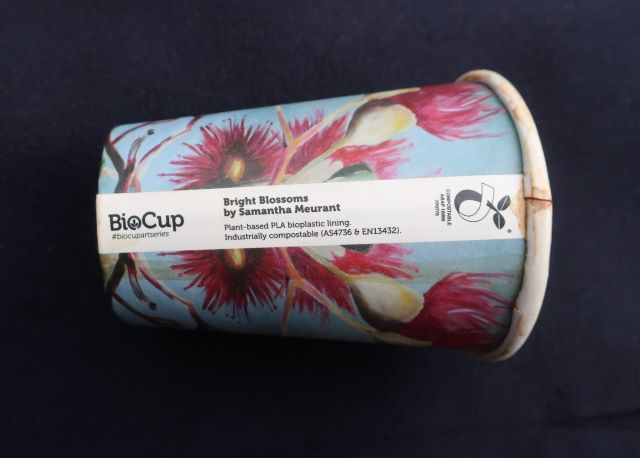
For a compostable plastic to biodegrade it must be in a commercial compost facility with temperatures of 60 deg C, plenty of oxygen and good moisture levels. If those conditions are not met, the compostable plastic will not biodegrade as the microorganisms need those conditions to live. In addition, compostable plastics cannot be recycled in the mainstream soft plastics. Their materials have different properties and would contaminate other conventional plastics if they were mixed together.
If they cannot be delivered to a commercial compost facility, they need to go to a landfill.
Simplest of all is to avoid single use plastics when possible.
Today, Federal Environment Minister Tanya Plibersek asked the Productivity Commission to lead an inquiry into opportunities to boost circularity across the Australian economy. The inquiry will explore the potential for Australia to improve resource productivity.
Sources
1Circular Economy Market Report, May 2024, Recycling Victoria
2 ‘We can no longer limp along’: Plans for plastic packaging shakeup Bianca Hall and Caitlin Fitzsimmons, The Age 20 August 2024
There is a world of helpful information and explanation on Biogone‘s website
Stephen Pennells
A while ago Rob S trialed composting the Council collected seaweed on the foreshore to avoid the cost of carbon to transport away, using an industrial thermometer to ensure the centre reached ~70C!